Sending consent and treatment plans over WhatsApp: legal, practical, faster
By Kythro Team, Product team · · 6 min read
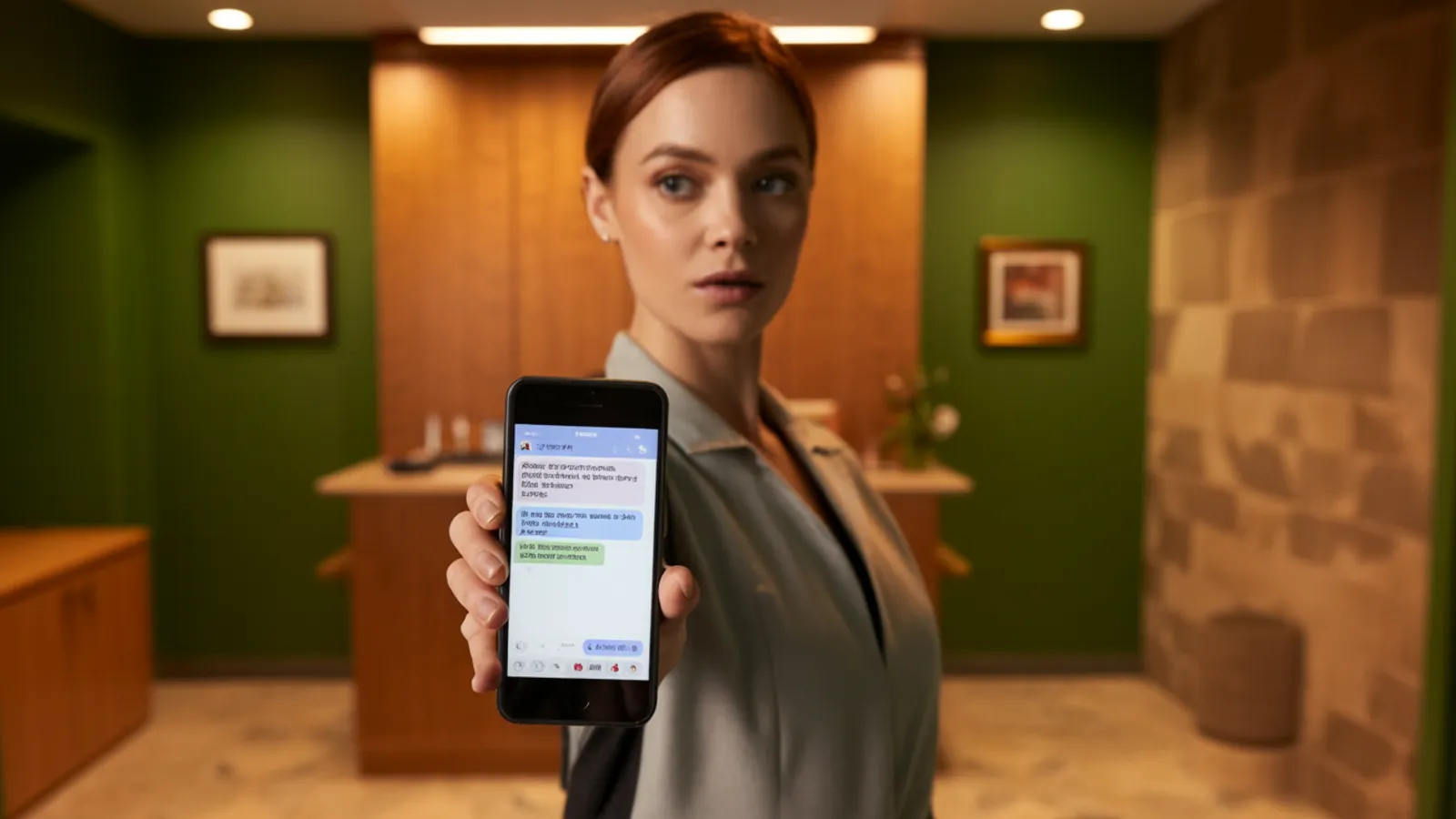
The standard treatment plan workflow at most clinics looks like this. Patient finishes consultation. Front desk prints a 4-page PDF. Patient takes it home. Patient reads page one, gets distracted, never comes back to it, and signs blindly two weeks later when the deposit is due.
This is bad on three counts. The patient does not actually understand what they consented to. The clinic carries unnecessary medico-legal risk. And conversion drops, because the gap between consult and treatment is when patients shop around and lose nerve.
WhatsApp fixes this when it is done correctly. It does not fix it by accident.
Is electronic consent legally valid?
Yes, with caveats. The federal ESIGN Act and the state UETA laws give electronic signatures and clear electronic acknowledgement the same standing as ink for most agreements, provided three things are true:
- The patient is identified (linked to a specific phone number and patient record).
- The consent is specific (the patient saw the actual treatment, risks, and cost they are agreeing to).
- The interaction is logged immutably (you can produce a record of what was sent, when, and what the patient replied).
A WhatsApp Business message thread satisfies all three if you are deliberate about it. A casual chat where the patient says "ok ok do it" does not.
Informed consent law in every state turns on the same test: did the patient understand the material risks, benefits, and alternatives before agreeing. The standard is comprehension, not the medium. Check your state dental board's rules and your malpractice carrier's guidance for anything they require on paper.
For surgical procedures, full implants, or any treatment with general anaesthesia, you still want a wet signature on a printed form. WhatsApp consent is appropriate for everything below that bar: routine restorative work, cleanings, ortho treatment plans, aligner starts, retainer changes.
What "specific" consent looks like over WhatsApp
The trap is sending a generic consent template and asking the patient to reply YES. That is not specific consent. It is a checkbox.
Specific consent over WhatsApp has four parts in the message itself:
- The diagnosis in one sentence. "You have moderate crowding in both arches and a 4mm overjet."
- The recommended treatment. "We recommend Invisalign Lite, 18 months, 14 trays."
- The two real alternatives. "Alternatives are fixed metal braces (24 months, lower cost) or no treatment (no health risk, cosmetic only)."
- The two material risks. "Risks: relapse without retainer wear, mild root resorption (rare). Both are manageable with the retention protocol."
Then a clear cost line, a clear timeline, and a single "I have read and agree" button or reply prompt.
This message is short. The patient will read it. That is the entire point.
The treatment plan as a 60-second message, not a 4-page PDF
The mistake is treating WhatsApp like email. Email is a place to send a PDF. WhatsApp is a place to have a conversation. The treatment plan over WhatsApp should be:
- A 5-line summary. Diagnosis, treatment, duration, cost, next step.
- An optional link to the long-form PDF for patients who want it.
- A reply button to ask a question.
- A separate, follow-up message after the patient acknowledges, with the consent text above.
Most patients will read the summary and reply. A minority will open the PDF. Almost none will read the PDF cover-to-cover, regardless of medium.
What the conversation should actually look like
Here is the real flow, in order:
- End of consult: doctor or coordinator says "I will send you the plan on WhatsApp now, take a look in the next hour and reply with any questions."
- Within 5 minutes: patient receives the 5-line summary plus PDF link.
- Patient reads, replies with a question (often about cost or duration).
- Coordinator answers in chat. Often this is the moment the deal closes.
- Once questions are resolved: send the consent message. Patient taps "I agree" or replies with the agreed phrase.
- Send the deposit link or the appointment confirmation.
The whole thing usually finishes within 24 hours. In the old PDF-and-print workflow, it stretches across two weeks and 40 percent of patients never come back.
What you must capture and store
A WhatsApp consent is only as good as the audit trail. For each consenting patient, store:
- The exact message text the patient saw (not a template, the rendered message with their name, treatment, and cost).
- The timestamp the message was sent.
- The patient's reply text and timestamp.
- The patient's phone number, verified against the patient record.
- The doctor or coordinator who sent it.
If a clinic management system is doing this work for you, it should automatically log every consent interaction against the patient record. Kythro does this by default, but the principle is universal: if you cannot reconstruct the conversation 18 months later, you do not have evidence.
Where this goes wrong
The three most common failures we see:
- One number, multiple staff. Clinic uses one WhatsApp Business number across the front desk, the doctor, and the assistant. When something goes sideways, no one knows who sent what. Fix: assign clear ownership per conversation, even if the number is shared.
- Templates with no patient detail. "Dear Patient, please confirm your treatment." This is not consent. It is spam. Patient detail must appear in the message body.
- Free-text consent in casual chats. "Doc, go ahead na" is friendly but it does not specify what the patient consented to. Always send the structured consent message before any irreversible step.
The honest bottom line
WhatsApp consent is faster, more comprehensible to patients, and just as legally robust as a paper form, when the message is specific and the audit trail is intact. It is not a shortcut. It is a better version of the same thing.
The clinics that adopt it well see two changes in their numbers. Conversion from consult to treatment-start goes up by 10 to 20 percent. And the small monthly drip of "I did not realise it would cost this much" disputes goes nearly to zero.
Both come from the same source: patients now actually read what they are agreeing to.
Run your clinic on Kythro.
Start a free 30 day trial. No credit card required.