Operations
Walk-ins without wrecking the day: a triage system for busy dental clinics
By Kythro Team, Product team · · 6 min read
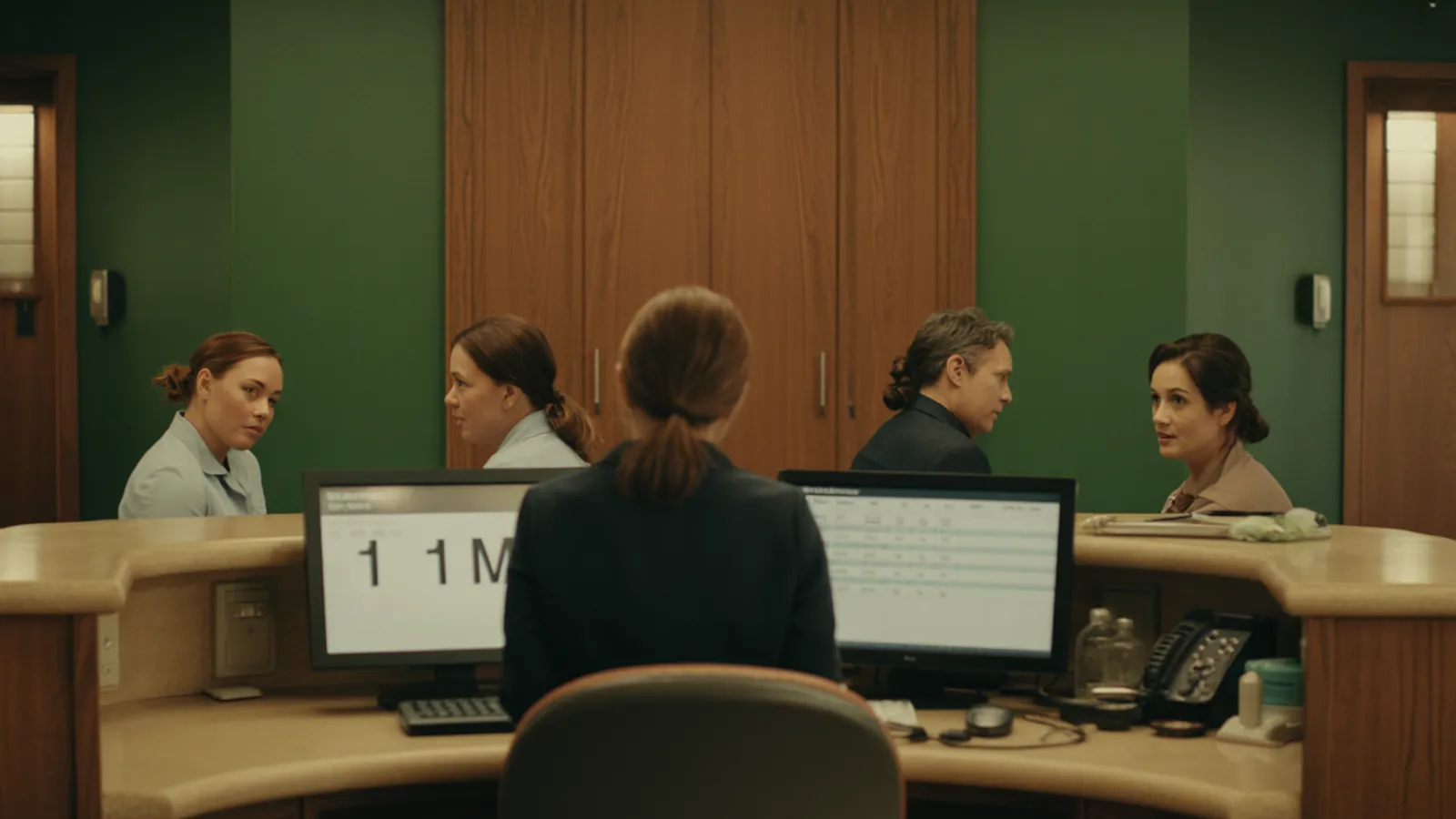
Every clinic has the same 11 am moment. The chairs are full, the 11:30 is early, and a walk-in is standing at the desk holding their cheek. What happens next depends entirely on whether the clinic has a system or a mood.
Clinics that handle walk-ins well do two things at once. They protect the booked schedule, because booked patients kept waiting become no-shows next month. And they capture the walk-in, because a walk-in is the cheapest lead a clinic will ever get: they are already in the building.
Here is a triage system that does both. It takes one laminated card, or one screen, and about a week to become habit.
The three questions the front desk asks
The person at the desk is not a clinician, and they do not need to be one. They need three questions:
- Are you in pain right now? If yes, how bad, on a simple scale of "annoying" to "could not sleep".
- Is there swelling, bleeding, or a fever?
- Did something break? A bracket, a wire, a crown, a denture, a filling.
That is enough to sort every walk-in into one of three buckets.
The three buckets
Bucket 1: now. Uncontrolled pain, facial swelling, trauma, bleeding that does not stop. These jump the queue, full stop. The doctor gets a heads-up between patients, and the walk-in goes to the next available chair even if it means the 11:30 waits ten minutes. Nobody reasonable resents a clinic for treating an emergency first, and the goodwill from the patient you saw immediately lasts for years.
Bucket 2: today. Real discomfort but stable. A poking ortho wire, a lost filling with sensitivity, a loose crown. These get a slot in today's schedule, in a gap, at lunch, or at the end of the day. The key sentence at the desk: "The doctor will see you today at 1:40. You can wait here or come back." A concrete time turns a hovering walk-in into a booked patient.
Bucket 3: this week. No pain, no swelling, nothing broken. A consultation enquiry, a cleaning request, a second opinion. These are leads, not emergencies. Capture the name and phone number, offer the next genuinely free slot, and send a WhatsApp confirmation before they leave the building. The walk-in who leaves with a confirmed slot shows up. The one who leaves with "we will call you" does not.
Why complaint beats arrival time
Most clinics default to first-come-first-served because it feels fair. It is fair for a bakery. In a clinic it means the man who arrived at 9:05 with a chipped veneer is seen before the woman who arrived at 9:20 with a swollen face, and it means your booked 9:30 patient absorbs the delay for both of them.
Sorting by complaint severity instead of arrival time is what triage means. Every hospital emergency department on earth works this way for a reason. The front desk just needs permission, and a card, to do the same.
Protecting the booked schedule
The rule that makes the whole system work: bucket 2 and 3 walk-ins never displace a booked patient. They fit into real gaps or they get a real slot later. The moment the front desk starts squeezing walk-ins on top of booked patients, waiting times creep up, booked patients start arriving late because "it always runs late anyway", and the schedule enters a death spiral.
This is also why it helps to be able to see chair availability at a glance. If the desk can see that chair 2 is free from 1:20 to 2:00, offering "today at 1:40" takes five seconds and zero negotiation with the doctor. If finding a gap means walking to the back and interrupting a procedure, the desk will guess, and guesses break schedules. This is the part where software earns its keep; Kythro, for example, shows a live chair-availability strip and sorts the walk-in queue by complaint priority, so the desk makes the triage call without leaving the counter.
The script, word for word
Front desk scripts sound corporate until you watch a new hire freeze in front of a walk-in. Give them this:
- "Are you in pain right now? How bad is it?"
- (Bucket 1) "The doctor will see you next. Please take a seat, we will call you in a few minutes."
- (Bucket 2) "The doctor can see you today at [time]. You are welcome to wait or come back."
- (Bucket 3) "The next open appointment is [day] at [time]. I will send the confirmation to your WhatsApp right now."
Four lines. Print them.
What to measure after a month
Three numbers tell you whether the system is working:
- Walk-in capture rate. Of the walk-ins who came in, how many ended up with a completed visit or a confirmed booking? Well-run desks get above 80 percent.
- Booked-patient wait time. Walk-in handling should not move this number. If booked patients are waiting longer than before, bucket discipline is slipping.
- Bucket 1 frequency. If more than a small fraction of walk-ins are being classified as emergencies, the desk is using bucket 1 as a pressure valve. Retrain with real examples.
Walk-ins are not an interruption to the day. Handled with a system, they are the day's best marketing: a patient in pain who got seen quickly tells that story at every dinner table for a decade.
Run your clinic on Kythro.
Start a free 30 day trial. No credit card required.